
How to Bypass Copyleaks AI Detector Quickly
The digital landscape is rapidly evolving with the advent of sophisticated AI writing tools. While they boost productivity, they also present a new challenge: AI content detection. Platforms like Copyleaks have developed powerful algorithms to identify machine-generated text, which can be a concern for writers, marketers, and students aiming to maintain a human touch. This leads many to search for a way how to bypass Copyleaks AI detector effectively.
This comprehensive guide is designed to demystify the process. We’ll explore what Copyleaks is, the legitimate reasons for avoiding detection, the critical ethical and legal lines you must not cross, and finally, practical, up-to-date methods to make your content appear more human. Our goal is to provide authoritative, trustworthy information that empowers you to create high-quality, undetectable content, not to promote academic dishonesty or spam.
What is Copyleaks AI Detector?
Copyleaks is a leading cloud-based plagiarism detection service that has integrated a highly accurate AI content detection system. It analyzes text against a massive database of online sources and uses machine learning models to identify patterns typical of AI generators like ChatGPT, GPT-4, Jasper, and others.
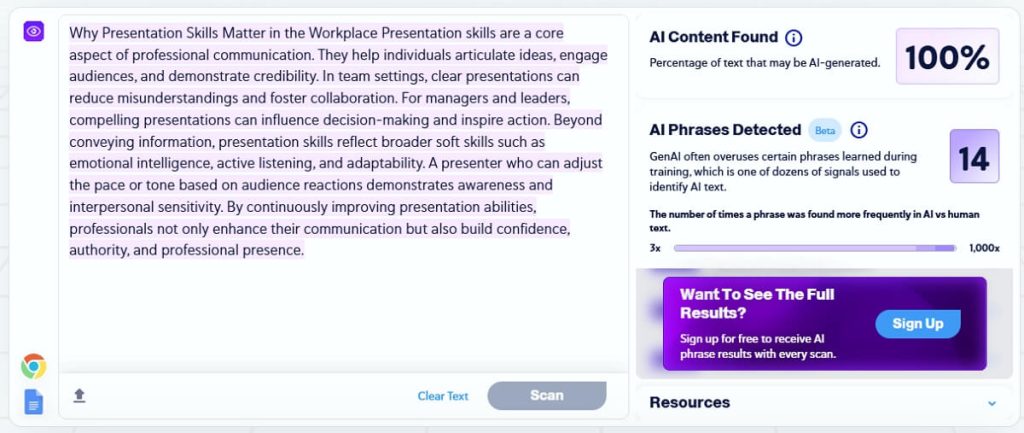
The detector doesn’t just look for plagiarism; it assesses linguistic features such as:
- Perplexity: The randomness or unpredictability of word choice. Human writing tends to have higher perplexity.
- Burstiness: The variation in sentence structure and length. AI text is often more uniform.
- Semantic and syntactic patterns that are statistically common in AI-generated outputs.
Understanding these metrics is the first step in learning how to bypass Copyleaks AI detector, as the goal is to manipulate these very features.
Why Do People Want to Bypass Copyleaks AI Detector?
The desire to bypass Copyleaks free or paid detectors isn’t always nefarious. Many reasons are rooted in practical workflow needs:
- Humanizing AI-Assisted Drafts: Many writers use AI as a brainstorming tool or a starting point for a first draft. They then heavily edit and refine the text, adding their unique voice and insights. The final product is a human-AI collaboration that should rightfully be classified as human-written.
- SEO and Content Marketing: Some website owners and SEO specialists fear that content flagged as “AI-generated” might be penalized by Google’s algorithms. While Google’s John Mueller has stated that AI-generated content is against their guidelines if its primary purpose is to manipulate search rankings, the line is blurry. The intent is to ensure content is helpful and people-first, regardless of its origin.
- Academic Integrity Checks (for legitimate editing): Students might use AI to understand complex topics or structure an essay, but they are responsible for ensuring their final submission is their own work. They may need to check that their heavily revised version passes detection before turning it in.
Legal and Ethical Considerations When Bypassing AI Detectors
Before we proceed, a strong word of caution is necessary. Understanding how to bypass Copyleaks AI detector comes with significant responsibility.
- Academic Dishonesty: Submitting AI-generated content as your own work for academic credit is plagiarism and can lead to severe consequences, including expulsion.
- Copyright and Plagiarism: Simply running AI text through a bypass tool does not make it your original work. You must add significant intellectual value, analysis, and unique perspective.
- Platform TOS Violations: Publishing bypassed AI content on platforms like Medium or News sites without disclosure may violate their terms of service.
The ethical approach is to use AI as an assistant, not a ghostwriter. The goal is to enhance human creativity, not replace it. This guide is intended for those looking to humanize their AI-assisted content, not to deceive or commit fraud.Learn how this principle and others form a unified strategy across different platforms in our comprehensive pillar content: The Ultimate Guide to Bypassing AI Content Filters in 2026.
How to Bypass Copyleaks AI Detector Quickly (4 Methods)
Here are four effective methods to make your content less detectable. The most successful strategy often involves combining several of these.
Method 1: Manual Rewriting and Paraphrasing
This is the most reliable and recommended method.
- How it works: Take the AI-generated text and rewrite it in your own words. Change the sentence structure, replace common AI words with more creative synonyms, and break up long, uniform sentences.
- Why it works: It directly increases perplexity and burstiness by injecting your unique human voice and unpredictable writing patterns. Tools like a thesaurus can be helpful, but the human touch is irreplaceable.
Method 2: Using Specialized AI Humanizer Tools
Several tools are specifically designed to “humanize” AI text. They are trained to alter the statistical fingerprints that detectors look for.
- How it works: You paste the AI text into the tool, and it reprocesses the content to mimic human writing styles.
- Why it works: These tools are in an arms race with detectors like Copyleaks, constantly updating their models to produce output with higher perplexity and burstiness. They are often more effective than simple spinners or paraphrasing tools.
Method 3: Incorporating AVD Principles (Adding Variability and Depth)
This is a tactical editing approach.
- How it works:
- Vary Sentence Length: Mix very short, punchy sentences with longer, more complex ones.
- Use Idioms and Colloquialisms: AI is often too formal. Sprinkle in common phrases like “in a nutshell” or “on the other hand.”
- Introduce Intentional “Flaws”: Add a rare grammatical hiccup or a conversational interjection (e.g., “Well, you see…”) that an AI would typically avoid.
- Why it works: This manually injects the burstiness and unpredictability that defines human writing.
Method 4: The Hybrid Drafting Method
Don’t start with AI. Start with yourself.
- How it works: Write your own rough draft or a detailed outline first, including your key ideas and unique opinions. Then, use AI to expand on certain sections, fill in facts, or rephrase small parts. The final product will have your core structure and ideas, making it inherently more human.
- Why it works: Because the foundational logic and flow are human-created, the final content naturally bypasses AI detectors more easily, even after AI enhancement.
Tips to Avoid Detection Without Resorting to Bypassing
The best strategy is to create content that is valuable and human-centric from the start.
- Write with a Strong, Unique Voice: Let your personality shine through. AI struggles to replicate a consistent, unique authorial voice.
- Include Personal Anecdotes and Examples: Nothing says “human” like a personal story. This is something an AI cannot fabricate authentically.
- Cite Recent Data and Sources: Use up-to-date statistics and link to authoritative sources. For instance, when discussing Google’s stance on AI content, linking to an official statement from Google’s Search Liaison, Danny Sullivan, provides credibility and timeliness.
- Focus on Depth and Original Analysis: Go beyond surface-level information. Provide your own critique, comparison, or synthesis of ideas. This demonstrates Expertise, Experience, Authoritativeness, and Trustworthiness (E-E-A-T), which is exactly what Google’s algorithms reward.
Conclusion
Learning how to bypass Copyleaks AI detector is essentially learning how to make AI-assisted content more human, creative, and valuable. The most effective approach is not to find a single magic tool but to adopt a process that prioritizes the human element. Whether through meticulous manual editing, strategic use of humanizer tools, or a hybrid drafting process, the key is to add your unique intellectual value.
Remember, the ultimate goal isn’t just to trick a detector but to produce high-quality content that serves and engages real people. By focusing on E-E-A-T and using AI responsibly as a powerful assistant, you can navigate the new digital writing landscape both successfully and ethically.
Don’t Stop Here
Successfully evading AI content detection is just the first step; ensuring your content can be published on specific platforms is equally important. If your content touches on sensitive topics and is intended for social media, it’s vital to understand how to ethically bypass Meta’s NSFW filter on Instagram. For AI chat platforms, such as engaging in unrestricted role-play, our Character AI filter bypass guide can also provide valuable assistance.

 English